Skip to content
123 Construction AZ logo
Architects · Developers · Homeowners

What Is a Self-Performing General Contractor?

It is a phrase architects and developers use when vetting contractors, and one most homeowners have never heard. It describes who actually does the work, and it changes almost everything about how a project runs.

01

The plain-language definition

A self-performing general contractor does the trade work with its own employees, holding the trade licenses in its own name. A traditional general contractor holds one general license and hires separate licensed companies to perform each trade.

Both are legitimate and both are normal. The difference is where the work sits. When your electrician is an employee of the company you contracted with, that company's license is on the line for the electrical. When the electrician is a subcontractor, it is not.

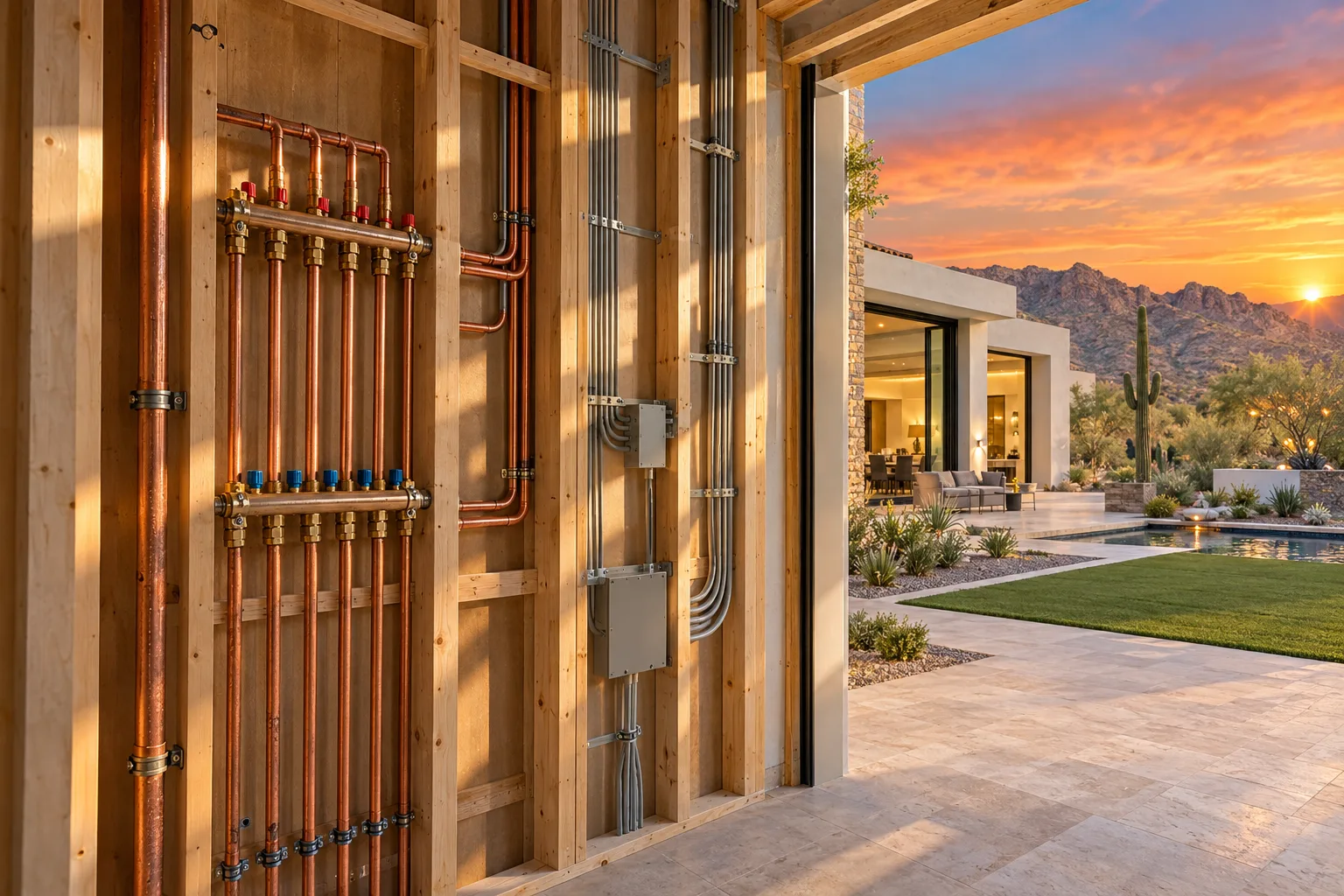
In our case we hold the general contracting license (KBI, ROC #331028) plus electrical (CR-11), plumbing (CR-37) and HVAC (CR-39), all separately and all in our own name. The crew that roughs in your house answers to the same license you hired.
02

How the two models differ in practice

Under the traditional model, the general contractor is a coordinator. They set a schedule and then work to hold several independent companies to it, each with its own other jobs, its own crews and its own commercial pressures. When one slips, the GC renegotiates with the ones behind it.

Under the self-perform model, resequencing is an internal decision. If framing finishes early, rough-in moves up that week. If an inspection fails, the correction is scheduled the same day at the company's own cost rather than raised as a claim against a subcontractor.

The tradeoff is real and worth stating: a self-performing contractor can only take on the volume its own crews can handle. We take fewer projects at once than a firm that subcontracts everything, and that is deliberate.

03

What it means for you

One point of accountability from footing to final. When something goes wrong there is no gap between trades to hide in, and no conversation where the general contractor tells you they will speak to the electrician.

Fewer scheduling gaps, because the handoffs are internal rather than contractual. Tighter cost control, because the markup layered on every subcontracted trade is not there.

And one contact for questions. The owner you meet on day one is the builder you see at final walkthrough.

04

How we apply it across the Phoenix Valley

We work throughout the Valley, with the deepest track record in Scottsdale and Paradise Valley, and regular work in Phoenix, Gilbert, Tempe and Fountain Hills. The model is the same everywhere: our own crews, our own equipment, our own licenses.

For the trades we do not hold a license in, we say so plainly rather than implying otherwise. Honesty about the boundary is part of the same argument.

Finished Builds

Work Like This

View All Projects
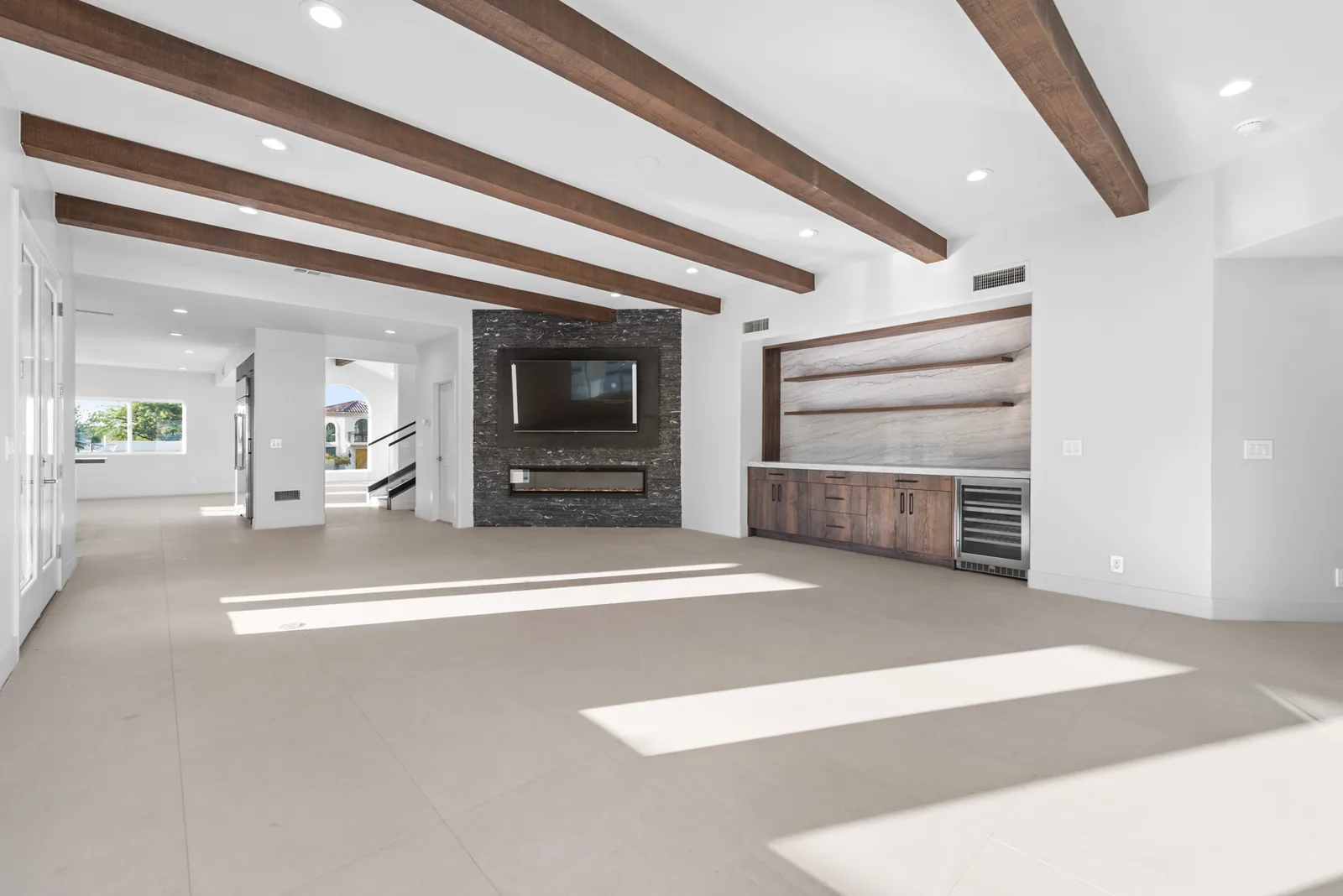
Beamed Great Room: Exposed timber beams over a linear fireplace and built-in millwork, with a wall of glass to the patio.
InteriorsBeamed Great Room
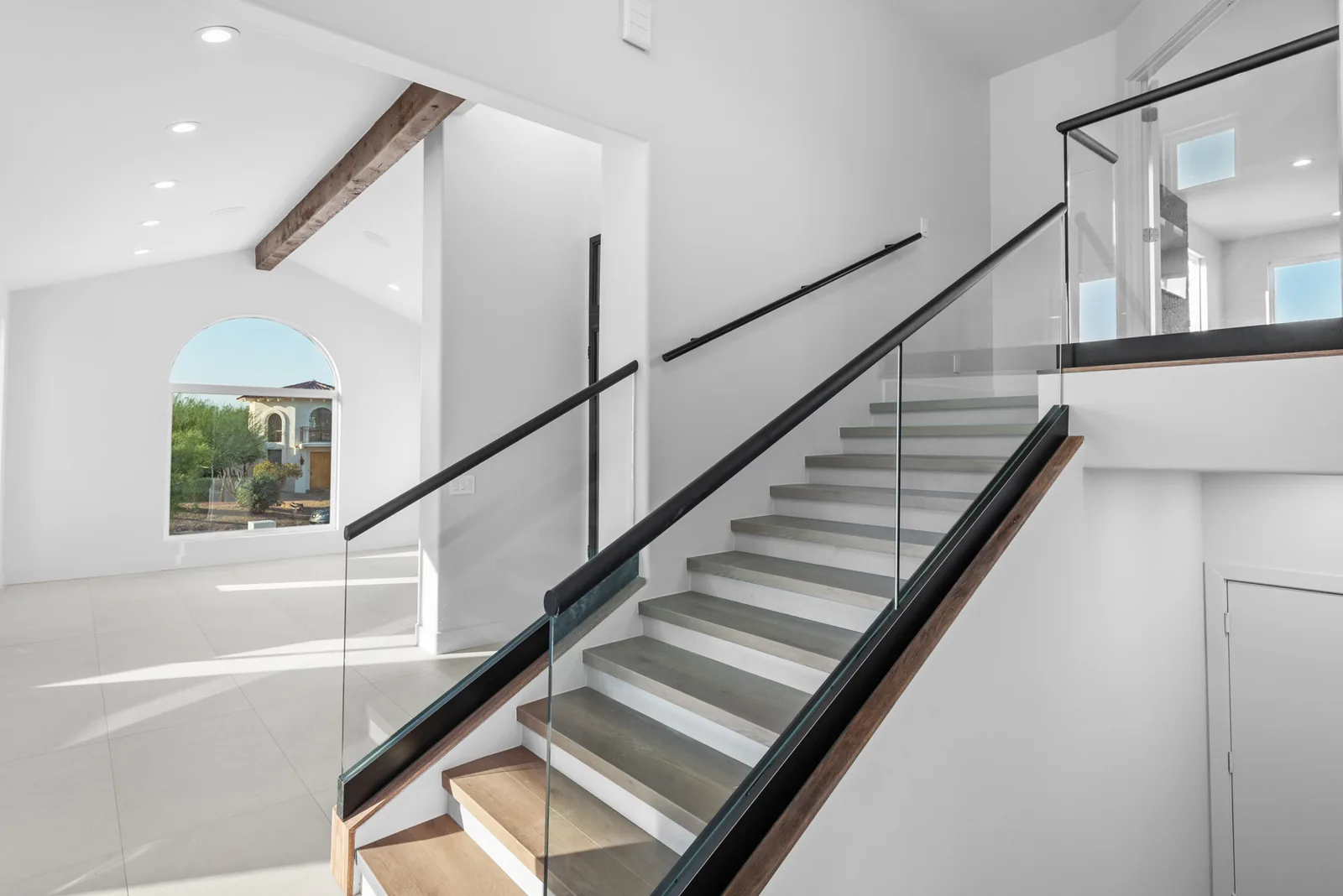
Floating Stair & Glass Rail: Cantilevered treads with a structural glass guardrail. Engineering, framing and finish coordinated in-house.
InteriorsFloating Stair & Glass Rail
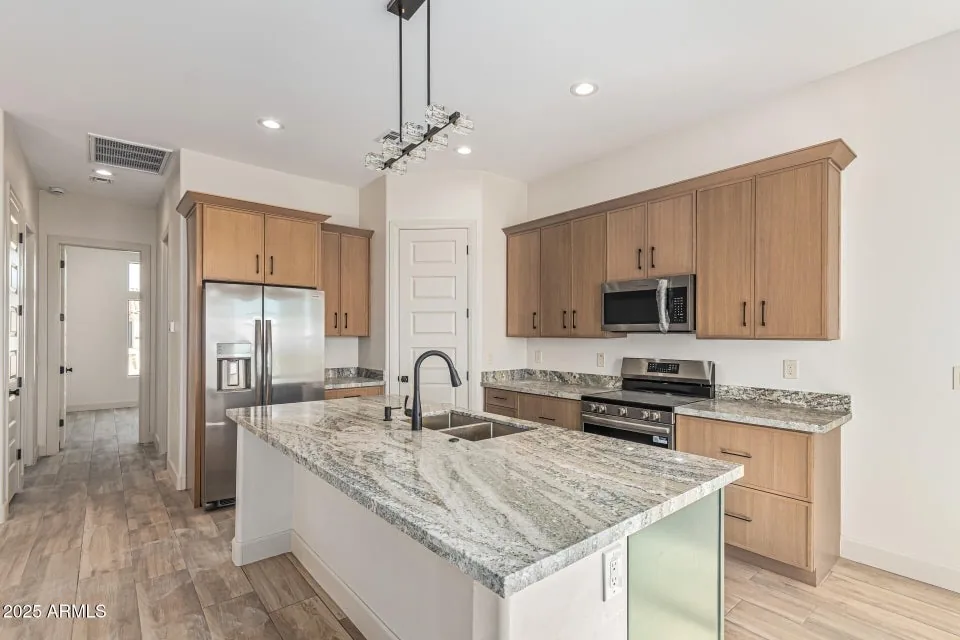
Granite Island Kitchen: Full-height cabinetry with a granite island and a clean appliance wall. Plumbing and electrical rough-in by our licensed crews.
KitchensGranite Island Kitchen
Get In Touch

One license. Every trade. No finger pointing.

That is the whole pitch. If it is the model you want on your project, let's talk.