
Skip to content
123 Construction AZ logo
Lot to Move-In

New Home Construction in Phoenix, AZ

On most custom homes the delays are not caused by the work. They are caused by the gaps between trades. We own the fleet and hold four licenses, so the gaps that usually sit between site work and rough-in are ours to close.

01

Where ground-up schedules actually slip

Framing finishes on a Tuesday. The electrician cannot start until the following Monday because another job overran. The inspector is then booked out four days, and drywall was scheduled around a date that no longer exists. Nobody did anything wrong, and the house is two weeks late.

That pattern repeats at every handoff, and on a ground-up build there are dozens of them. It is why two builders quoting the same house with the same crew count can deliver three months apart.

We hold the general, electrical, plumbing and HVAC licenses and own our excavation fleet, so most of those handoffs are internal. When framing finishes early, the rough-in moves up the same week.
02

What self-performance does to the budget

Every subcontracted trade carries a markup, and on a full custom home there are a lot of them. Self-performing the four biggest removes that layer on the largest line items rather than the smallest.

More importantly it makes the number predictable. Subcontractor pricing moves between bid and mobilisation, especially on a build that runs the better part of a year. Ours does not, because it is ours.

Change orders are priced and signed before the work happens. Predictable draws, a published timeline, and one license across every trade mean the build tends to hit the numbers it was penciled at.

03

What the ROC license means for your protection

Building a custom home is likely the largest contract you will sign outside a mortgage. The Arizona Registrar of Contractors license behind it is what gives you recourse if it goes wrong: a bond to claim against and a state complaints process, rather than only a civil suit at your own cost.

Our general contracting license is KBI, ROC #331028, and the trade licenses are held separately in our own name. You can verify all of them at azroc.gov in about a minute, and we would encourage you to.

Finished Builds

Work Like This

View All Projects
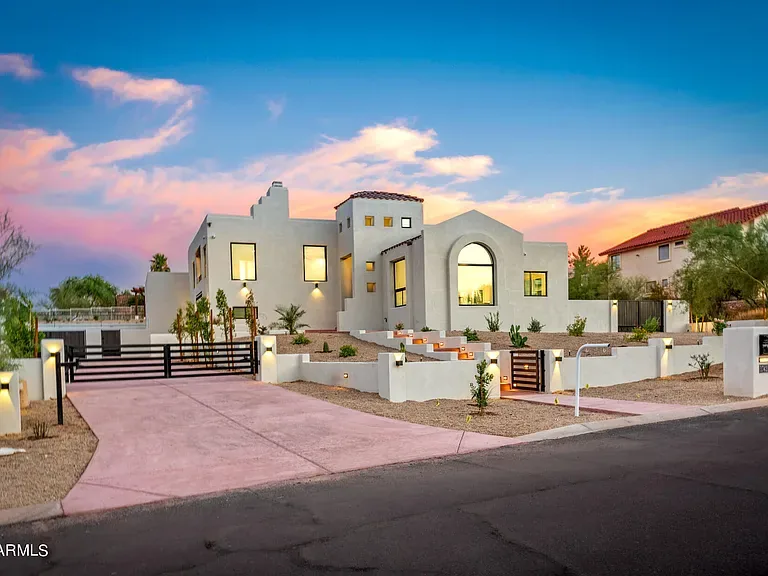
Twilight Elevation: Desert-contemporary front elevation photographed at dusk. Stucco, steel and stone detailing carried through to the street.
ExteriorsTwilight Elevation
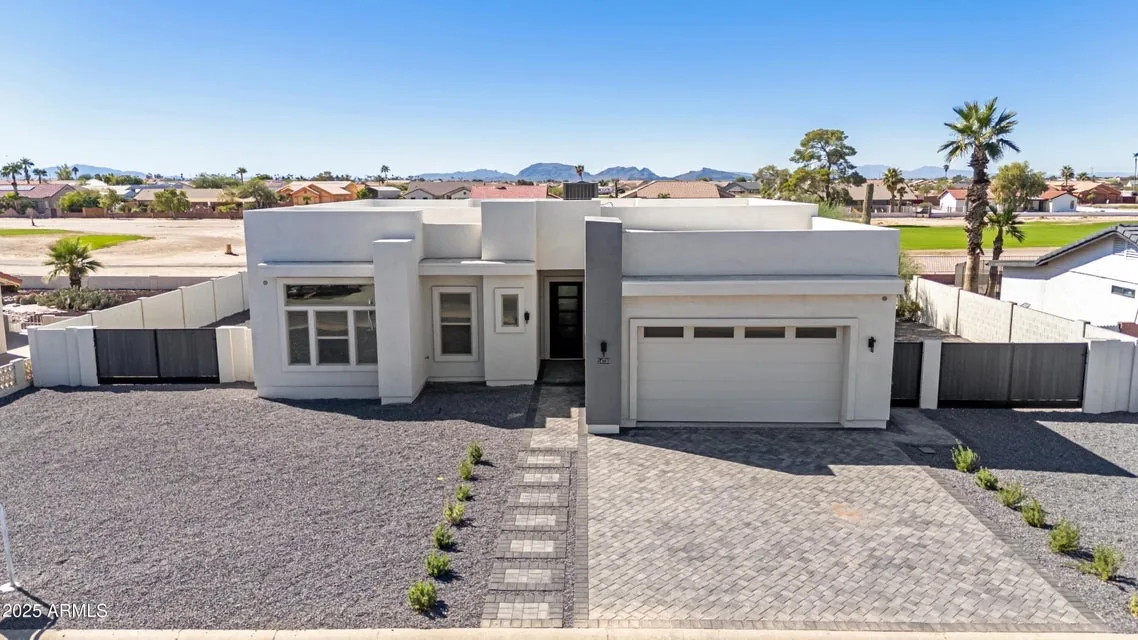
Desert Front Elevation: Low-slung desert contemporary with a three-car garage, decomposed-granite drive and clean parapet lines.
ExteriorsDesert Front Elevation
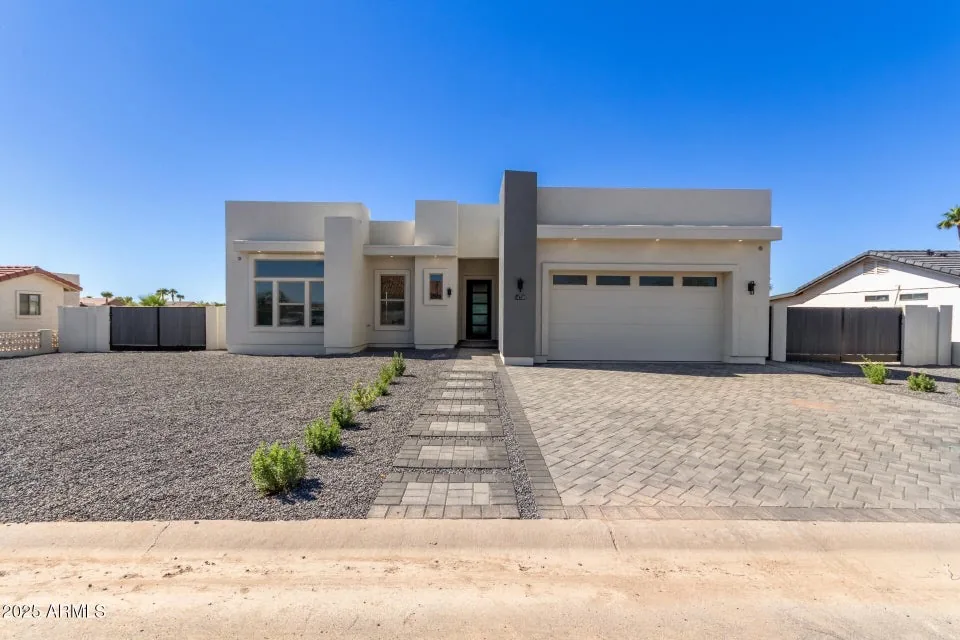
Street Elevation: Completed new construction ready for final walkthrough, from bare lot to handover with in-house crews.
ExteriorsStreet Elevation
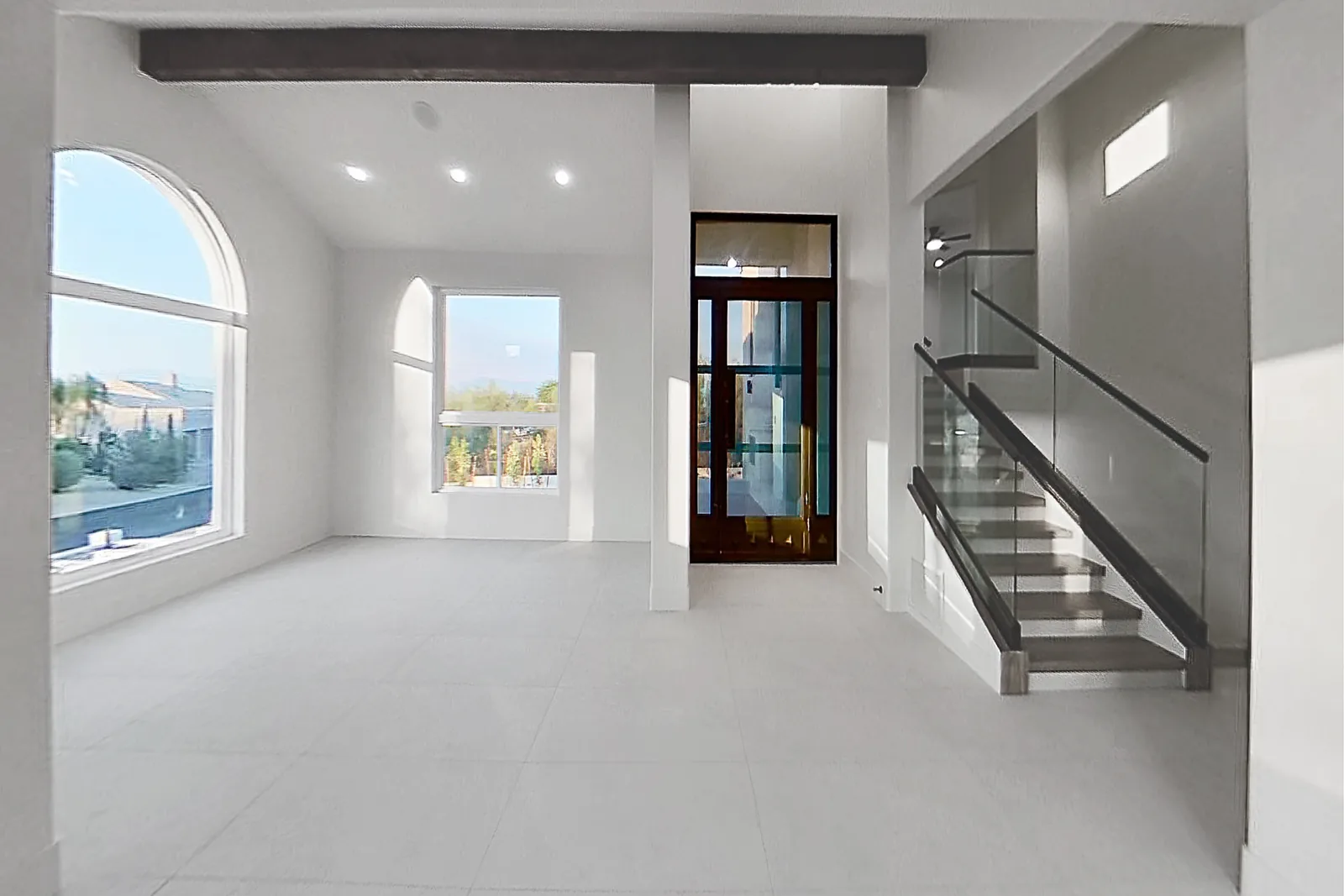
Entry Volume: Double-height entry with an arched window and an iron pivot door, stair beyond.
InteriorsEntry Volume
FAQ

Common Questions

01
How long does new home construction take in Phoenix?
Ten to sixteen months from permit to handover for a typical custom home, depending on size, site complexity and jurisdiction. Hillside lots and complex foundations sit at the longer end. We publish a schedule at contract and update it weekly against actual progress.
02
What does a licensed general contractor do during a custom build?
Sequencing, permitting, inspection coordination and accountability for the finished result. In our case it also means performing the electrical, plumbing and HVAC ourselves rather than coordinating subcontractors who do.
03
Do you build on hillside lots?
Yes. Cut-and-fill, retaining and the engineering coordination those lots require are work we have done repeatedly. They carry longer permitting timelines, and we say so up front.
04
Can I use my own architect?
Yes, and we prefer it when the builder is involved during drawings rather than handed them at the end. We flag conflicts during review instead of during framing.
Get In Touch

Request a build consultation

Bring the lot, the drawings, or just the idea. We will tell you what it takes.